The Ultimate Guide to Sigiriya: Climbing Sri Lanka’s Ancient “Lion Rock” Fortress
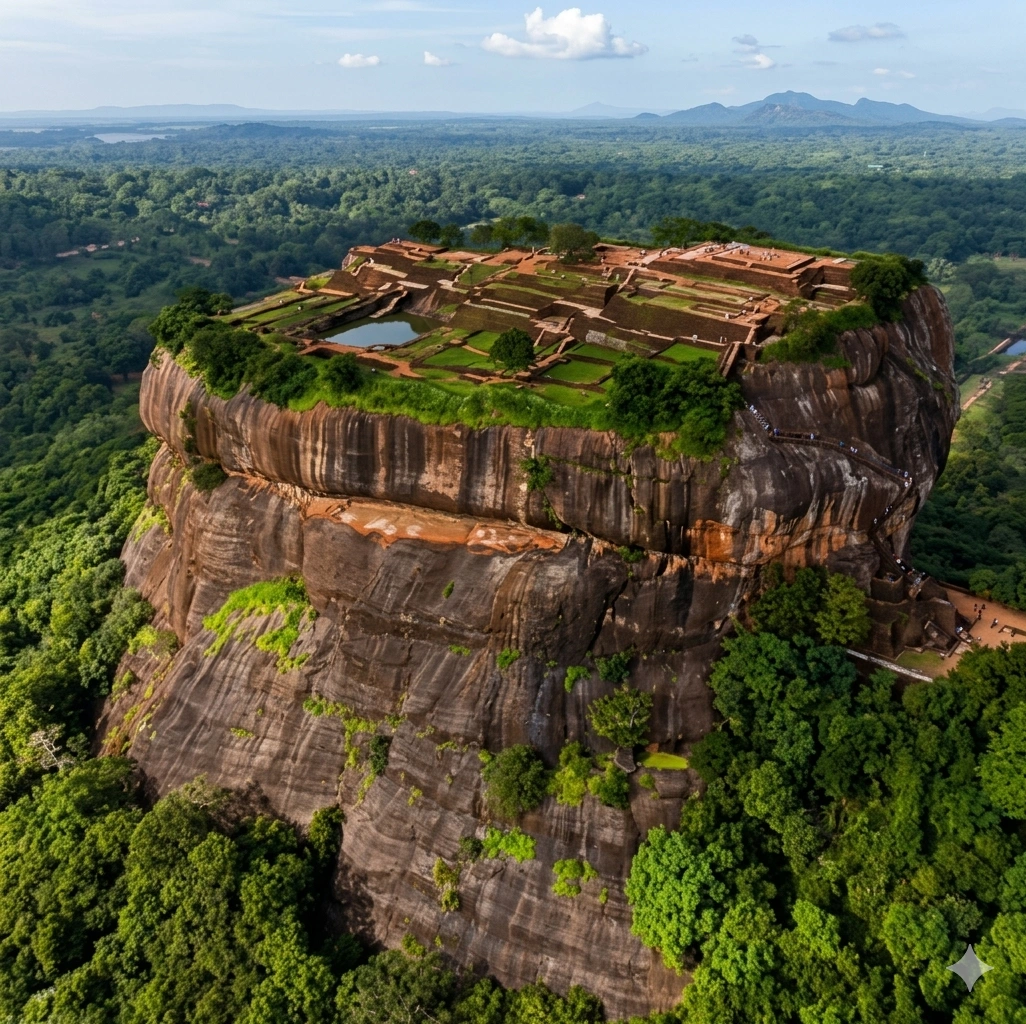
Are you planning a trip to the teardrop island of the Indian Ocean? If there is one place that defines the grandeur, mystery, and natural beauty of Sri Lanka, it is Sigiriya. Known as the “Lion Rock,” this massive 200-meter-high granite monolith isn’t just a geological wonder; it’s a UNESCO World Heritage site and was once the palace of a fugitive king.
In this comprehensive guide, we’ll dive into everything you need to know about visiting Sigiriya—from its bloody history to practical tips for conquering the 1,200 steps.
A Glimpse into History: The King and His Fortress
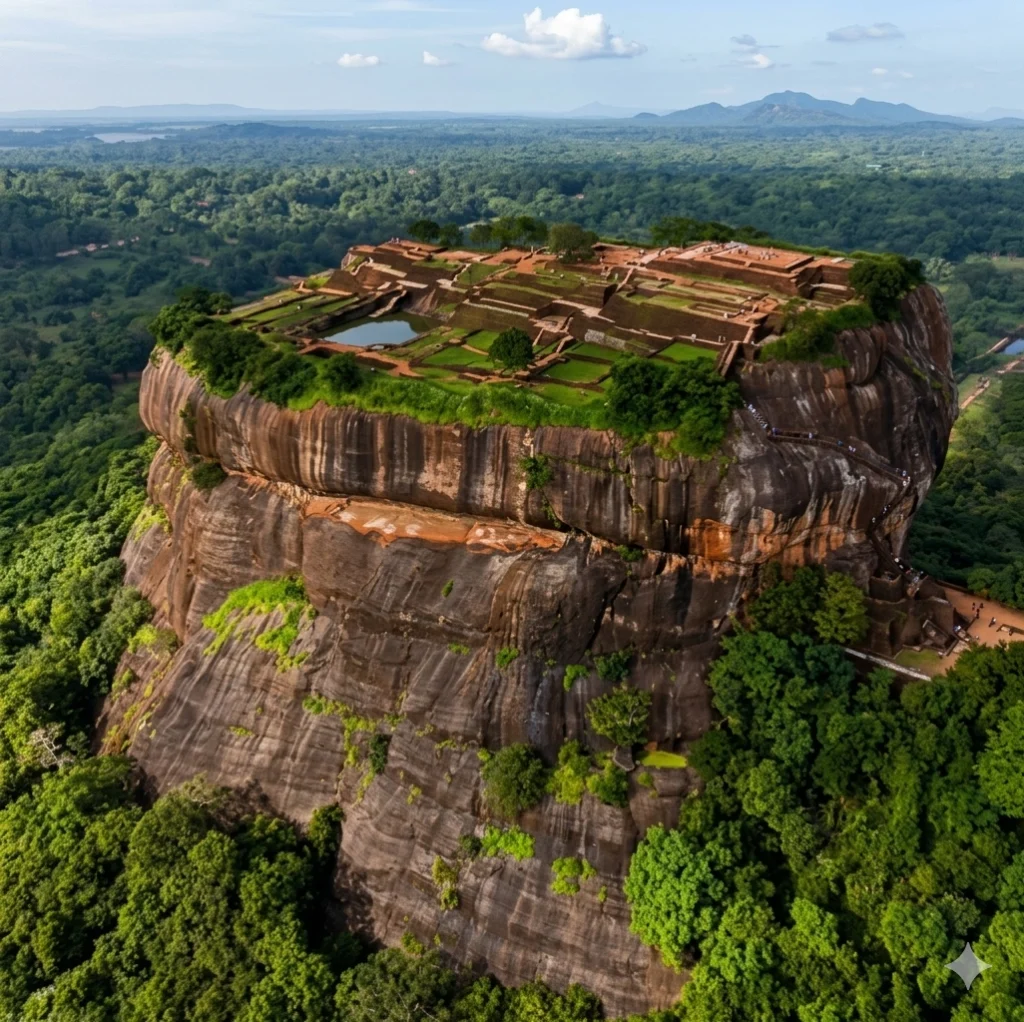
Sigiriya’s story sounds like a plot from Game of Thrones. In the 5th century, King Kasyapa seized the throne by murdering his father and driving his brother into exile. Fearing a revenge attack, he moved the capital from Anuradhapura to the top of this impenetrable rock.
He transformed a grim fortress into a heavenly palace, complete with water gardens, frescoes of beautiful maidens, and a massive gateway carved in the shape of a lion. Today, Sigiriya stands as one of the best-preserved examples of ancient urban planning in Asia.
What to See at Sigiriya
1. The Royal Gardens
Before you even start the climb, you walk through the Water Gardens. These are among the oldest landscaped gardens in the world. The symmetry is incredible, and amazingly, the gravity-fed hydraulic systems still work today, causing the fountains to spray during the rainy season.
2. The Mirror Wall and Frescoes
Halfway up the rock, a spiral staircase leads to a sheltered gallery. Here, you’ll find the famous Sigiriya Frescoes—exquisite paintings of celestial nymphs. Past the frescoes lies the Mirror Wall. In ancient times, it was polished so brightly that the King could see his reflection. Today, it is covered in graffiti dating back to the 7th century, where ancient tourists wrote poems about the beauty of the rock.
3. The Lion’s Paw Terrace
This is the final plateau before the summit. You are greeted by two enormous lion paws carved into the stone. Originally, a giant lion’s head sat above the paws, and visitors had to walk through the “mouth” of the lion to reach the palace. It is a breathtaking spot for photos.
4. The Summit: The Sky Palace
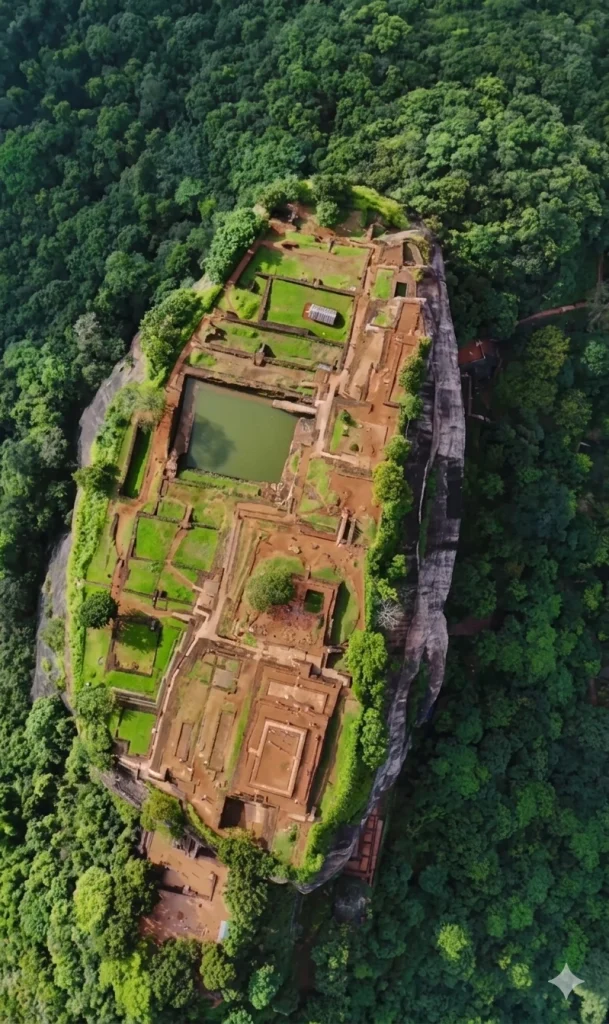
The climb is steep, but the reward is a 360-degree view of the emerald jungles of the Cultural Triangle. You can explore the ruins of the royal throne, the bathing pools, and the foundations of the palace that once sat atop this monolith.
Essential Travel Tips for Foreign Tourists
When is the Best Time to Visit?
The best time to visit Sigiriya is from January to April when the weather is dry and clear. To avoid the scorching tropical sun and the heavy crowds, aim to be at the ticket office by 6:30 AM. Climbing during the sunset (around 4:30 PM) is also magical and offers softer light for photography.
Entrance Fees and Tickets
For most foreign nationals, the entrance fee is approximately $30 USD (Note: SAARC country passport holders get a 50% discount). Ensure you keep your ticket, as it will be checked at multiple points.
What to Wear and Pack
- Footwear: Wear sturdy sneakers or hiking shoes. While the path is mostly stairs, they can be uneven and slippery.
- Dress Code: Unlike Sri Lankan temples, there is no strict dress code for Sigiriya rock itself. However, since you are in a culturally sensitive area, modest clothing is always respected.
- Hydration: Bring at least 1.5 liters of water. There are no shops once you start the climb.
- Sun Protection: Wear sunscreen and a hat. The top of the rock offers very little shade.
Sigiriya vs. Pidurangala: Which One Should You Climb?
Many travelers ask if they should climb Sigiriya or the neighboring Pidurangala Rock.
- Sigiriya offers the history, the frescoes, and the famous Lion’s Paws.
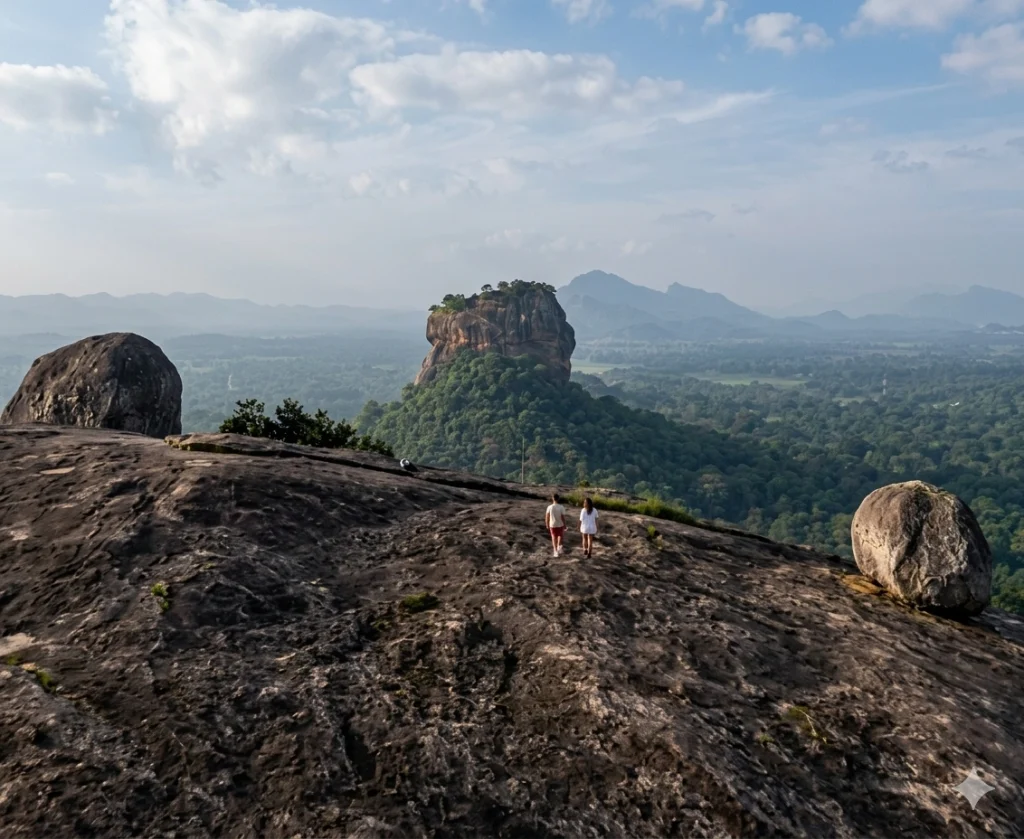
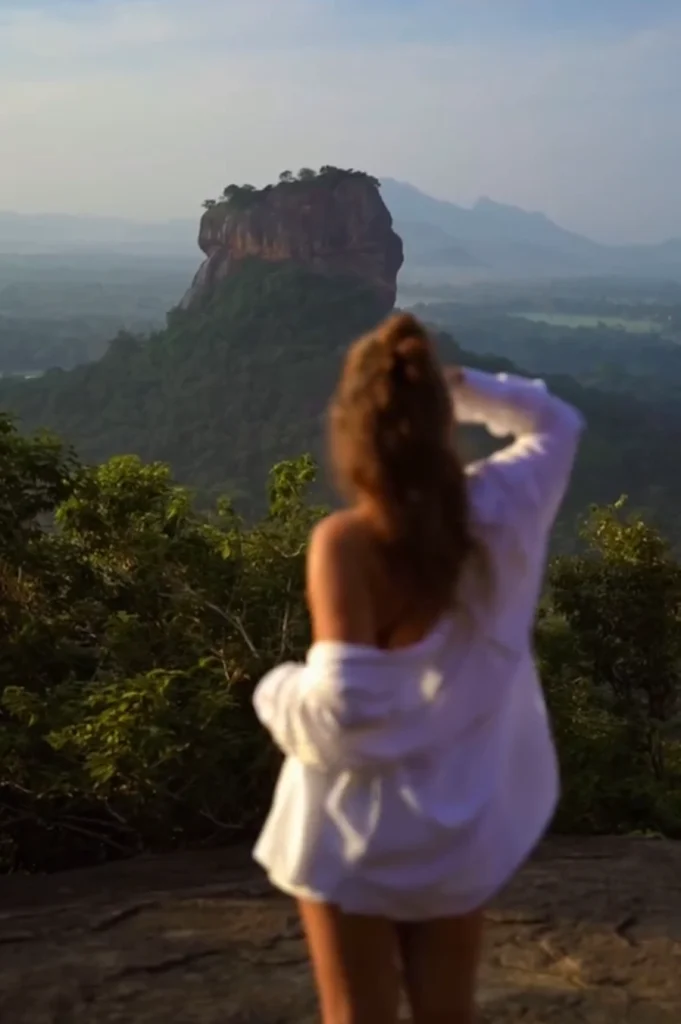
- Pidurangala offers the best view of Sigiriya itself and costs only about $3 USD to climb.
- The Verdict: If you have the time, do both! Climb Sigiriya at sunrise and Pidurangala at sunset.
How to Get to Sigiriya
Sigiriya is located in the heart of the Cultural Triangle.
- From Dambulla: A 20-minute tuk-tuk or bus ride.
- From Kandy: About a 2.5 to 3-hour drive.
- From Colombo: Approximately 4 to 5 hours by private car or bus.
Safety Warning: The Wasps
You might see signs asking for “Silence” near the Lion’s Paws. This is because large colonies of wasps nest on the rock faces. Loud noises can agitate them. If the “Wasp Alert” signs are active, follow the instructions of the park rangers immediately.
Conclusion: Is Sigiriya Worth It?
Absolutely. Sigiriya isn’t just a hike; it’s a journey into the heart of Sri Lankan identity. It represents the pinnacle of ancient engineering and the soaring ambition of a king who wanted to live among the clouds. No trip to Sri Lanka is complete without standing atop the Lion Rock.