
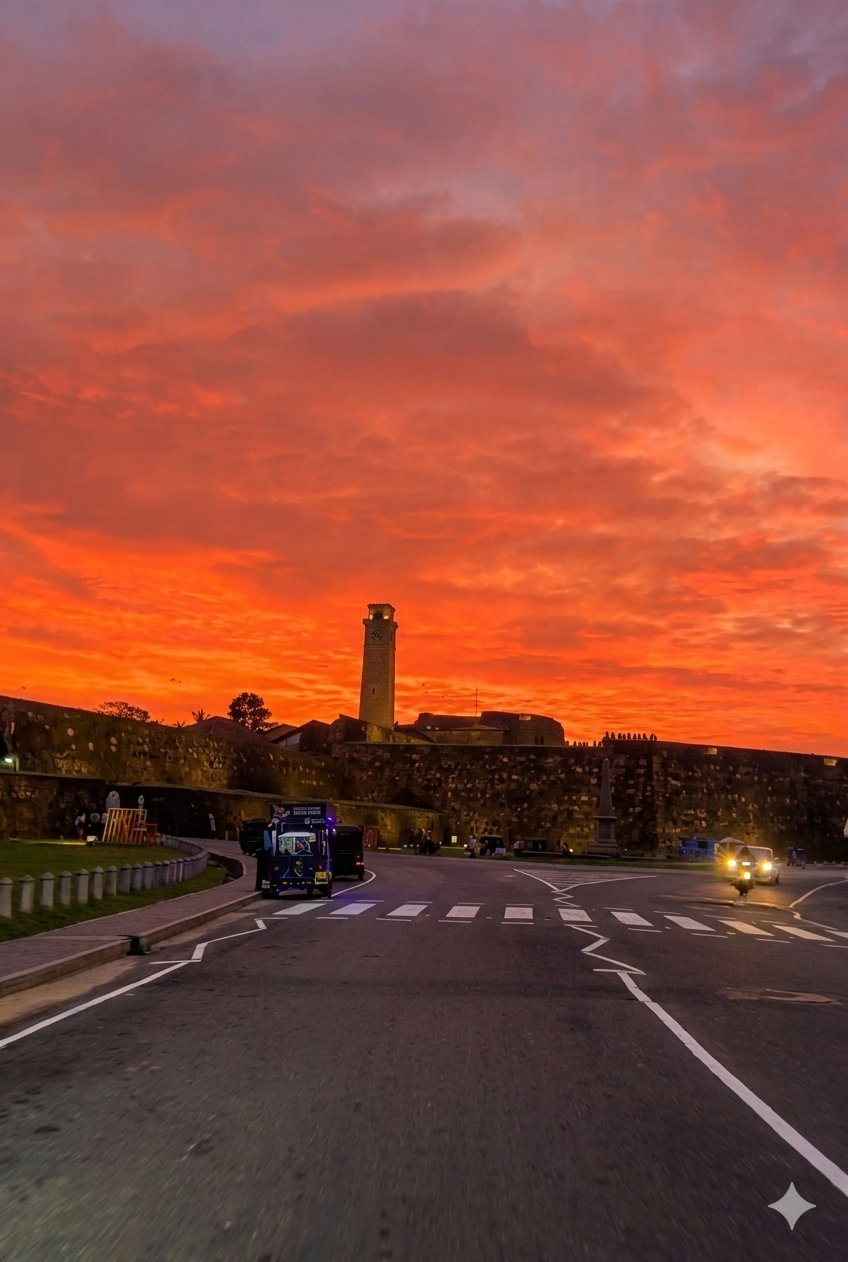
The Ultimate Guide to Galle Fort, Sri Lanka: A 2026 Travel Guide
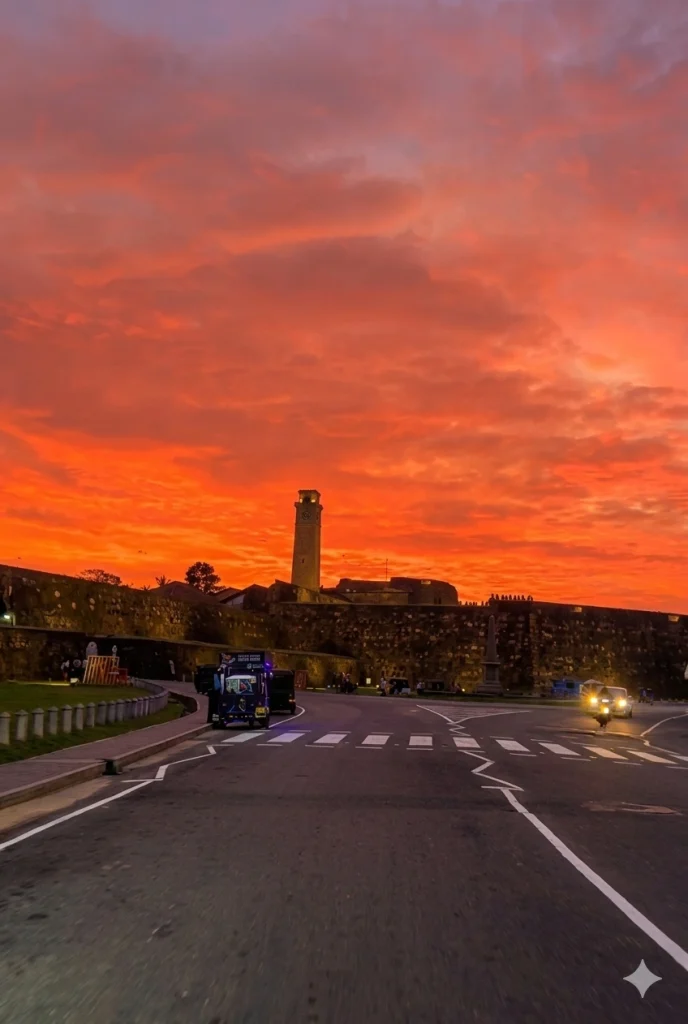
Stepping through the massive granite ramparts of Galle Fort feels less like entering a city and more like stepping back in time. Located on the southwestern tip of Sri Lanka, this UNESCO World Heritage site is a living, breathing monument where 400 years of colonial history meld seamlessly with vibrant modern Sri Lankan life.
Whether you are a history buff, a foodie, or an Instagram enthusiast, Galle Fort is an essential stop on any Sri Lankan itinerary. In this guide, we’ll explore the best things to do, where to eat, and how to experience the magic of the “Rampart Town.”
A Brief History: The Fortress on the Sea
Before you walk the cobblestone streets, it’s worth knowing why this place feels so unique. Originally built by the Portuguese in 1588, the fort was extensively fortified by the Dutch during the 17th century. Later, the British took over, adding their own architectural flourishes.
Remarkably, the fort’s thick walls protected the old town from the devastating 2004 tsunami, preserving the colonial villas and ancient churches you see today.
Top 5 Things to Do in Galle Fort
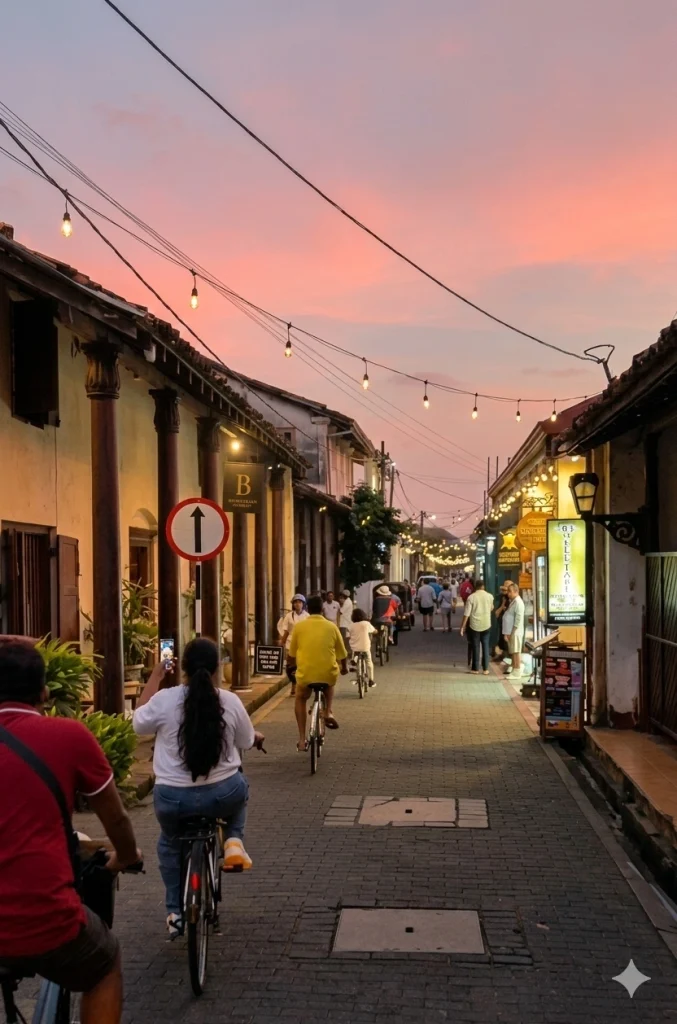
1. Walk the Ramparts at Sunset
The most iconic experience in Galle is the “Rampart Walk.” As the tropical sun begins to dip, locals and tourists alike gather on the western walls. Start at the Moon Bastion and walk toward the Flag Rock Bastion.
Pro Tip: Keep an eye out for the “Galle Fort Jumpers”—local daredevils who leap from the high ramparts into the narrow, rocky waters below for tips. It’s a nail-biting tradition!
2. Visit the Galle Lighthouse
Standing tall at the Utrecht Bastion, the Galle Lighthouse is the most photographed landmark in the country. Built in 1939 (replacing the original 1848 structure), its brilliant white silhouette against the turquoise Indian Ocean is a sight to behold. It’s best visited in the early morning to avoid the crowds.
3. Explore the Dutch Reformed Church (Groote Kerk)
Built in 1755, this is one of the oldest Protestant churches in Sri Lanka. The floor is paved with gravestones from old Dutch cemeteries, and the architecture is a stunning example of the Doric style. It offers a quiet, cool refuge from the midday heat.
4. Get Lost in the Cobblestone Streets
Galle Fort is made for wandering. Streets like Pedlar Street and Church Street are lined with restored Dutch villas, now housing high-end boutiques, art galleries, and jewelry shops. Look for Stick No Bills for retro Ceylon travel posters or Barefoot for vibrant hand-loomed fabrics.
5. Shop at the Old Dutch Hospital
Once a place of healing for 17th-century sailors, this colonnaded building is now the fort’s premier shopping and dining precinct. It’s the perfect spot to grab a cocktail and enjoy the sea breeze.
Where to Eat: A Culinary Melting Pot
The food scene in Galle Fort is arguably the best in Sri Lanka. You’ll find everything from traditional “Rice and Curry” to Japanese-inspired seafood.
- For Authentic Sri Lankan: Head to Coconut Sambol. Their rice and curry buffet is legendary, affordable, and gives you a true taste of home-cooked flavors.
- For Fine Dining: The Fort Printers offers an elegant atmosphere with a focus on fresh, local seafood. Try the grilled lobster or the yellowfin tuna.
- For Coffee & Vibes: Heritage Cafe & Bistro is situated in a stunning colonial building and serves excellent Lavazza coffee and wood-fired pizzas.
- For Late Night Drinks: Visit Ropewalk at the Galle Fort Hotel, Sri Lanka’s first dedicated Arrack bar. Sampling a cocktail made from coconut flower spirit is a “must” while in the south.
Where to Stay: Heritage Luxury
To truly feel the soul of the fort, stay inside the walls.
- Luxury: Amangalla is the gold standard of heritage luxury, offering a journey back to the era of the steamship.
- Boutique: Fort Bazaar on Church Street offers a fresh, contemporary take on Middle Eastern and Moorish design.
- Budget-Friendly: Southern Comforts or Shoba Traveller’s Tree provide charming, clean rooms that won’t break the bank.
Practical Information for Your Visit
When to Go
The best time to visit Galle is from December to April, when the weather is dry and the seas are calm. However, the “inter-monsoon” months of October and November can also be beautiful, with fewer tourists and lower prices.
How to Get There
- By Train: The coastal train from Colombo to Galle is one of the most scenic rail journeys in the world. Grab a seat on the right side of the train for endless ocean views.
- By Car: The Southern Expressway has cut the travel time from Colombo to just 2 hours.
Dress Code
While Galle Fort is a tourist hub, it is also a residential area with active religious sites (mosques, temples, and churches). When entering religious buildings, ensure your shoulders and knees are covered.
Beyond the Walls: Day Trips
If you have more than two days, use Galle as a base to explore:
- Unawatuna Beach (15 mins away): For golden sands and vibrant nightlife.
- Jungle Beach: A hidden cove perfect for snorkeling.
- Turtle Hatcheries: Several conservation centers are located just a short tuk-tuk ride away in Habaraduwa.
Conclusion: Why Galle Fort is Unmissable
Galle Fort isn’t just a destination; it’s a feeling. It’s the sound of the ocean crashing against ancient stone, the smell of cinnamon tea wafting from a cafe, and the sight of a vintage Morris Minor parked in a sun-drenched alley. It is the perfect blend of Sri Lanka’s complex past and its bright, creative future.
Are you planning a trip to the south coast? Don’t forget to pack your camera and your appetite—Galle Fort is waiting to be discovered.
Plan Your Sri Lanka Adventure
Galle Fort is more than just a historic landmark—it’s a living testament to Sri Lanka’s rich colonial heritage, stunning architecture, and vibrant coastal culture. Whether you’re exploring the ancient ramparts, enjoying ocean views, or discovering charming cafés and boutiques, this iconic destination promises unforgettable memories.
For more travel inspiration, explore our other Sri Lanka travel guides and destination recommendations.
👉 Read More: https://srilankaepic.com/blogs/
👉 Official Heritage Information: Visit the UNESCO World Heritage Centre page for Galle Fort to learn more about its historical and cultural significance
I loved how you explained the history and the shops inside the fort.
Galle Fort at sunset must be magical! 🥰
“Thank you so much, Anu! Yes, watching the sunset over the ramparts in Galle Fort is truly a magical experience. Make sure to catch it from the Flag Rock lighthouse area next time you visit!”