The Ultimate Sri Lanka Transport Guide: How to Get Around Like a Pro
Planning a trip to Sri Lanka is an exciting adventure, filled with visions of misty mountains, ancient temples, and pristine tropical beaches. However, once you start mapping out your itinerary, one major question inevitably pops up: What is the best way to travel around Sri Lanka? Navigating a new country can feel a bit overwhelming, but mastering Sri Lanka’s transport system is surprisingly easy once you know the ropes. From the iconic, slow-moving blue trains that wind through tea plantations to the nimble three-wheelers (tuk-tuks) buzzing through city streets, the island offers a transport option for every budget and travel style.
In this ultimate guide, we’ll break down everything you need to know about Sri Lanka transport tips, helping you save time, reduce stress, and travel like a seasoned local.
1. Why Getting Your Sri Lanka Transport Right Matters
Sri Lanka may look like a small island on a world map, but don’t let its geographic size fool you. The island’s diverse topography—ranging from flat coastal plains to steep, winding mountain roads—means that traveling short distances can sometimes take much longer than you think.
For instance, a 120-kilometer drive on a modern highway might take less than two hours, while the same distance in the central highlands can easily turn into a four-hour journey. Choosing the wrong mode of transport can drain your energy and eat into your precious sightseeing time.
By understanding the pros and cons of trains, private drivers, buses, and tuk-tuks, you can seamlessly connect your destinations while enjoying the beautiful landscapes along the way.
2. Riding the Rails: The Iconic Sri Lankan Train Journey
For many travelers, taking a train ride is not just a way to get from point A to point B—it is a highlight of their entire Sri Lankan holiday. The country’s railway network, originally built during the British colonial era to transport coffee and tea, offers some of the most scenic routes in the entire world.
The most famous route is the journey from Kandy to Ella. As the train chugs along the edge of cliffs, through dark tunnels, and over historic stone bridges like the Nine Arch Bridge, you are treated to endless panoramic views of bright green tea estates, cascading waterfalls, and misty peaks.
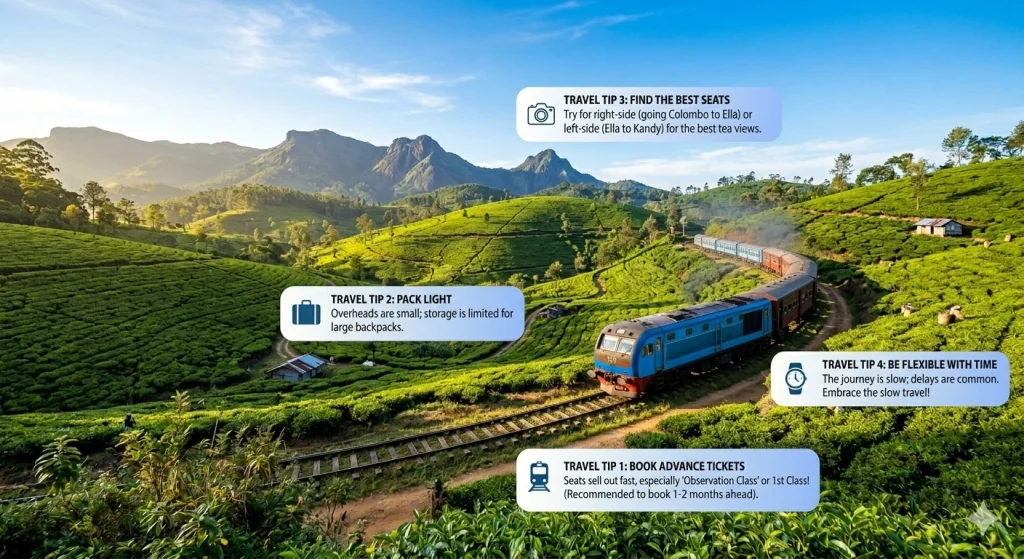
Tips for Booking Train Tickets:
- Book in Advance: First-class and second-class reserved seats sell out weeks ahead, especially during peak travel seasons.
- Observation Cars: If available, try to book the observation car or a seat in 2nd class with windows that open so you can capture those famous photographs hanging out the train door safely.
- Check Schedules: Always verify live times and routing updates through the official Department of Railways Sri Lanka website before heading to the station.
3. Hiring a Private Driver: The Ultimate Comfort and Flexibility
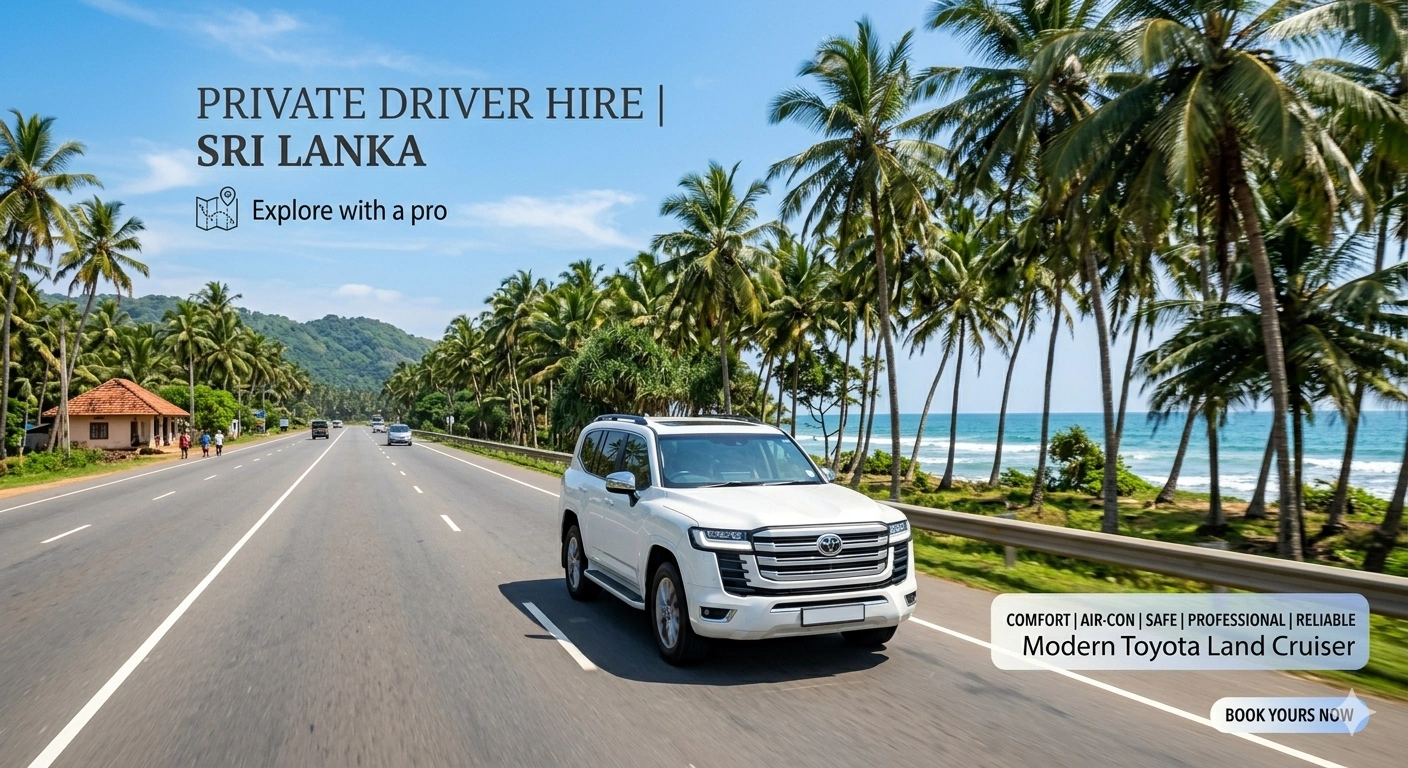
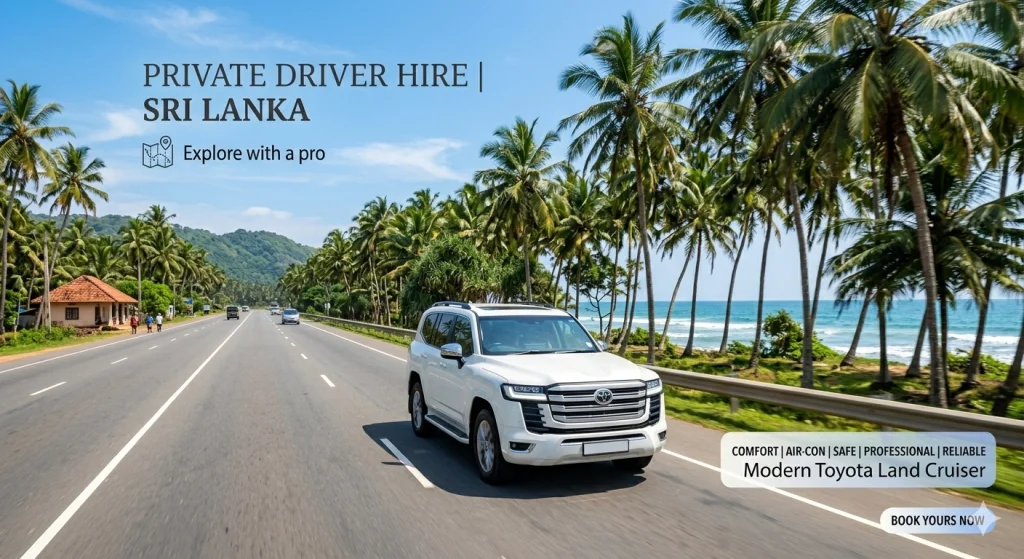
If you have a limited number of days on the island or you are traveling with family and heavy luggage, hiring a private driver with an air-conditioned car or van is easily the best choice.
While it is more expensive than public transport, a private driver offers unmatched flexibility. You can stop whenever you want to snap a photo of a roadside waterfall, visit a local fruit stall, or change your itinerary on the fly based on the weather. Furthermore, local drivers act as informal tour guides, sharing rich history, cultural nuances, and hidden spots that you won’t find in standard guidebooks.
How to Find a Reliable Driver:
- Use Registered Agencies: Always hire drivers through reputable, licensed travel companies or verified tourism platforms.
- Check Credentials: Ensure your driver and vehicle are officially registered with the Sri Lanka Tourism Development Authority (SLTDA) to guarantee proper insurance, safety standards, and fair pricing.
- Agree on Costs Early: Make sure the quoted price includes fuel, highway tolls, and the driver’s accommodation/meals to avoid unexpected surcharges at the end of the trip.
4. Embracing the Local Vibe: Riding the Public Buses
If you are a backpacker on a tight budget or an adventurous traveler looking for an authentic local experience, Sri Lanka’s public bus system is an unforgettable ride.
Buses go absolutely everywhere on the island, linking the smallest rural villages to major urban hubs. There are two main types of buses: the red government-run Central Transport Board (CTB) buses and the brightly colored private buses. Private buses are famous for their loud Sinhala pop music, flashing neon interior lights, and speedy driving styles.
Bus Travel Survival Tips:
- Pack Light: Luggage space is highly limited. You will often have to store big backpacks at the front next to the driver or pay for an extra seat if the bus is packed.
- Have Small Change: Carry small currency notes (Rs. 50, Rs. 100, Rs. 500) because conductors cannot easily change large bills on a crowded bus.
- Ask the Locals: Bus stations can look chaotic with no English signs. Simply tell any conductor or local passenger your final destination, and they will kindly point you to the correct bus.
5. The Tuk-Tuk Experience: Perfect for Short City Hops
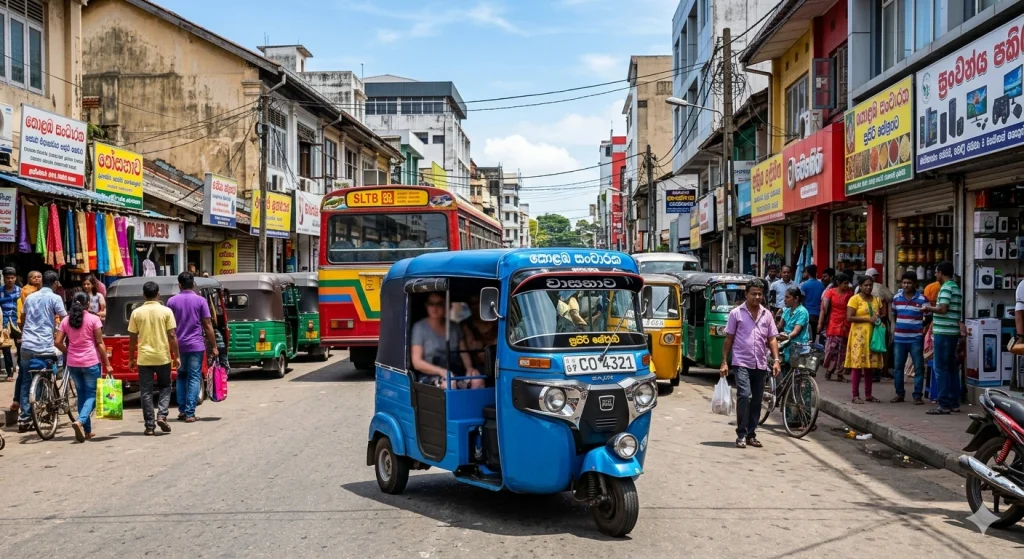
No trip to Sri Lanka is truly complete without riding in a three-wheeler, locally known as a tuk-tuk. These small, agile vehicles are the lifeblood of Sri Lankan city transport, perfect for short hops between your hotel, local restaurants, and nearby tourist sites.
For a unique twist, you can even rent your own tuk-tuk from specialized companies in Colombo, obtain a local temporary driving license, and drive yourself around the entire island!
Rules for Using Tuk-Tuks Safely:
- Insist on a Meter: In major cities like Colombo and Kandy, always choose a tuk-tuk that has a working digital meter.
- Use Ride-Hailing Apps: To avoid negotiating prices with street drivers, download local ride-hailing apps like PickMe or Uber. This ensures you get a fixed, transparent, and highly accurate local price.
- Hold on to Your Gear: Keep your bags, phones, and cameras safely inside the vehicle rather than resting on your lap near the open sides.
6. Planning Your Route Based on the Seasons
When mapping out your transport, keep in mind that Sri Lanka’s weather can change which routes are safest and most enjoyable. Heavy monsoon rains can occasionally cause delays on mountain train lines or make coastal roads slower to navigate.
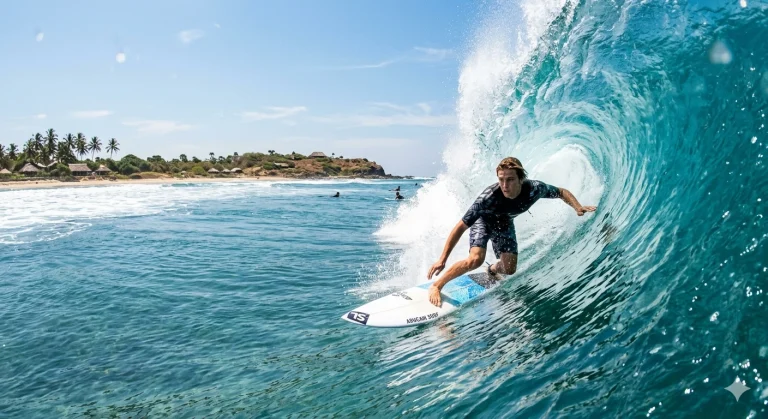
If you are visiting the south and west coasts during the sunny peak season (December to April), coastal highways are fast and smooth. Conversely, if you are headheading to the east coast for surfing between May and September, taking a domestic flight or an overnight train from Colombo is an excellent way to skip the long cross-country drive.
Ready to Explore Sri Lanka with Confidence?
Now that you have all the insider transport tips, you are fully equipped to navigate the island like a true pro! Whether you choose the romance of the railway, the ease of a private car, or the thrill of a tuk-tuk, your journey across this tropical paradise is bound to be unforgettable.
👉 Ready to build your dream holiday itinerary? Click here to discover our ultimate [Sri Lanka Travel Guides] and start planning your perfect tropical escape today!