
Sri Lanka Tourist Visa and Entry Rules: The Ultimate Guide for Travelers
Sri Lanka Tourist Visa and Entry Rules are the most critical factors you must understand before booking your flight to this tropical paradise. Whether you want to explore the pristine beaches of Mirissa, trek through the misty tea gardens of Nuwara Eliya, or visit ancient cultural sites, securing the correct travel authorization is your first step toward a seamless journey.
In recent years, the Sri Lankan government has updated its immigration systems to make entry smoother for global citizens. This comprehensive guide covers everything from the Electronic Travel Authorization (ETA) process and required documentation to fee structures and official government portals.
1. What is the Sri Lanka ETA?
The Electronic Travel Authorization (ETA) is an official web-based authorization issued by the Department of Immigration and Emigration of Sri Lanka. It is designed for short visits for tourism, business, or transit purposes.
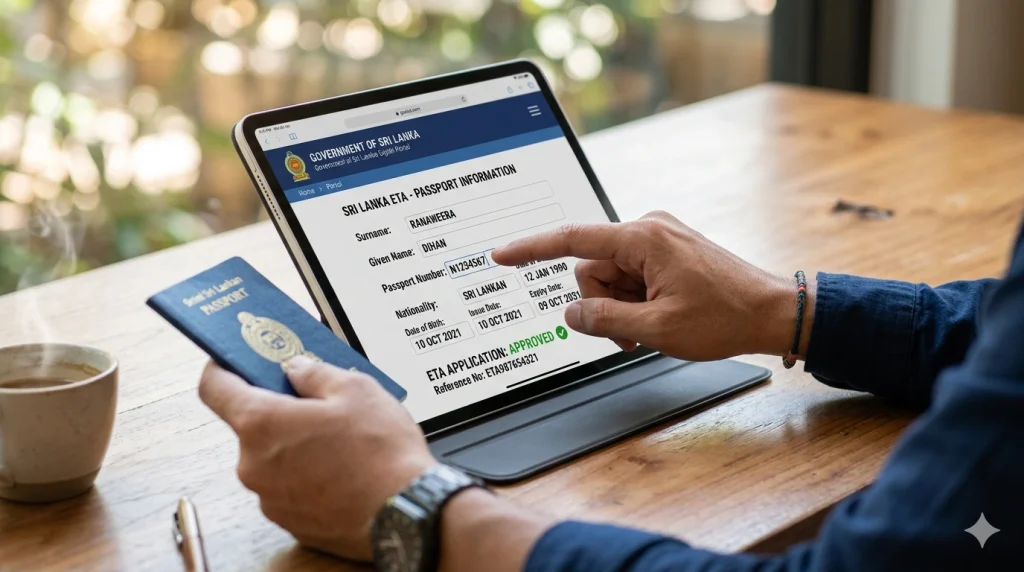
When applying for your travel documents under the current Sri Lanka Tourist Visa and Entry Rules, you do not need to visit an embassy or submit your physical passport anywhere beforehand. The entire application process is conducted online, and your approval is linked digitally to your passport number.
A standard tourist ETA typically allows for a 30-day stay from the date of arrival and often includes double-entry facilities, making it highly flexible if you plan to take a quick side trip to neighboring countries like the Maldives.
2. Step-by-Step Guide to Apply Online
Navigating the digital visa portal is simple if you follow the correct sequence. To ensure your application aligns perfectly with the updated Sri Lanka Tourist Visa and Entry Rules, follow these steps:
Step 1: Visit the Official Portal
Always ensure you are using the authentic government platform to avoid scams or inflated third-party agency fees. You can safely access the system and submit your forms directly through the official Department of Immigration and Emigration Sri Lanka Portal.
Step 2: Fill out the Electronic Form
You will need to input your personal data exactly as it appears on your passport. This includes your full name, passport number, expiration date, nationality, and your planned date of entry. You will also need to provide the address of your first accommodation (such as your hotel or villa) in Sri Lanka.
Step 3: Pay the Processing Fees
The platform accepts major international credit and debit cards. Fees vary depending on your country of origin. For example, citizens of South Asian Association for Regional Cooperation (SAARC) nations usually receive discounted processing rates.
3. Core Entry Documents Required at the Airport
Securing your online approval is only the first half of the process. Upon landing at Bandaranaike International Airport (BIA), immigration officers will verify your compliance with the strict Sri Lanka Tourist Visa and Entry Rules.
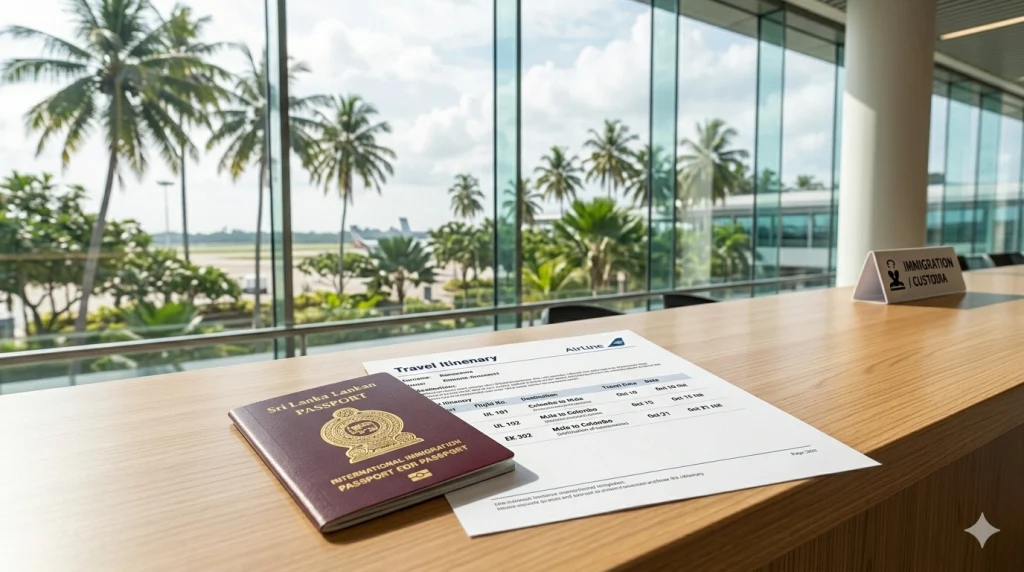
Make sure you have the following documents printed or easily accessible on your mobile device:
- Valid Passport: Your passport must have a minimum validity of at least six months from your exact date of arrival in the country.
- Confirmed Return Ticket: A printed onward or return flight ticket proving you intend to leave the island before your authorization expires.
- Sufficient Funds: Proof of sufficient financial means to cover your entire duration of stay (this can be shown via bank statements or valid credit cards if requested).
- ETA Approval Copy: A printed copy of your digital approval notification email to expedite processing at the counter.
4. On-Arrival Visa Frameworks
While the electronic system is highly recommended for a stress-free arrival, certain nationalities may still utilize on-arrival facilities at designated entry ports. However, relying on this can lead to long queues during peak travel seasons (December to April).
According to the official Sri Lanka Tourist Visa and Entry Rules, obtaining your pre-approved travel document online remains the safest method to guarantee entry without unexpected delays at airport immigration counters.
5. Extending Your Stay Legally
If you fall in love with the island and wish to extend your stay beyond the initial 30 days, you can request an extension. The immigration department allows tourists to extend their stay up to a maximum of 270 days in total.

To apply for an extension under the official Sri Lanka Tourist Visa and Entry Rules, you must physically visit the immigration headquarters in Colombo or use their official extension web-portal. You will need to fill out an extension application form, submit a recent passport-sized photograph, and pay the corresponding extension fee based on your nationality. For detailed fee structures and physical address locations, you can consult the Sri Lanka Tourism Development Authority (SLTDA).
6. Crucial Travel Tips for a Smooth Arrival
- Apply Early: Submit your online application at least 5 to 7 days before your flight to account for any unexpected bureaucratic delays.
- Double-Check Information: A single typo in your passport number on the electronic form can result in boarding denials at your departure airport.
- Keep Local Currency: While major cards are accepted in cities, having local Sri Lankan Rupees (LKR) ready upon leaving the airport is helpful for airport taxis and minor expenses.
Explore More Sri Lankan Adventures!
Now that your entry documents are sorted, it’s time to plan your tropical itinerary. Don’t miss our comprehensive, locally curated guide to exploring the island’s hidden gems.
👉 Click here to check out our ultimate Sri Lanka Travel Guides and start planning your dream vacation today!