Sinharaja Forest Reserve: A Guide to Sri Lanka’s Last Virgin Rainforest (2026)
If you want to step back in time and experience the earth as it was before the arrival of man, Sinharaja Forest Reserve is where you belong. As a UNESCO World Heritage site and a Global Biosphere Reserve, Sinharaja is the last viable remnant of Sri Lanka’s primary tropical lowland rainforest.
Unlike the dry-zone safaris of Yala, Sinharaja is a dense, humid, and mysterious world where the “big game” is replaced by an explosion of biodiversity—much of which is found nowhere else on the planet.
1. Why Sinharaja is a “Global Biodiversity Hotspot”
The statistics for Sinharaja are staggering. Over 60% of the trees are endemic to Sri Lanka, and many are considered rare. For wildlife enthusiasts, the level of endemism is equally high:
- Birds: Out of the 33 bird species endemic to Sri Lanka, over 20 can be found here, including the stunning Sri Lanka Blue Magpie and the elusive Red-faced Malkoha.
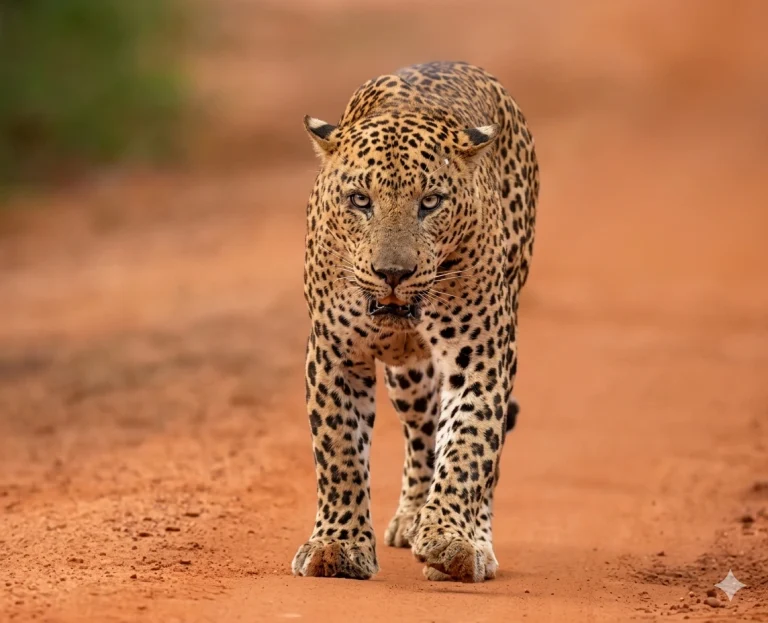
- Mammals: While leopards and elephants exist here, they are incredibly shy. Instead, keep an eye out for the Purple-faced Langur and the Giant Squirrel.
- Reptiles & Amphibians: This is a paradise for macro-photography, home to the Hump-nosed Viper and the Green Pit Viper.
2. Planning Your Trek: The Main Gateways
Sinharaja can be accessed from several sides, but most foreign travelers choose one of these two main entrances:
The Kudawa Entrance (North)
The most popular entry point, located near Weddagala. It is ideal for those coming from Ratnapura or Colombo.
- Best for: Well-maintained trails like the Moulawella Trail (8km) and the Wathurawa Trail.
The Deniyaya/Pitadeniya Entrance (South)
This is the preferred gateway for travelers coming from the south coast (Galle, Mirissa, or Matara).
- Best for: Waterfall lovers. The trails from here lead to the spectacular Pathan Oya Ella and Kakuna Ella waterfalls.
3. 2026 Entrance Fees & Practicalities
To protect the delicate ecosystem, you cannot enter Sinharaja alone. You must be accompanied by a certified department guide.
- Foreign Adult Fee: Approximately $35 – $42 USD (inclusive of taxes and service charges).
- Mandatory Guide Fee: Usually ranges from $15 – $25 USD depending on the length of your trek.
- Camera Fees: There is often a small additional charge (approx. $5 USD) for professional video equipment.
Pro Tip: Your guide is your best asset. They are experts at spotting a green lizard camouflaged against a green leaf from 20 meters away!
4. The Famous “Bird Waves”
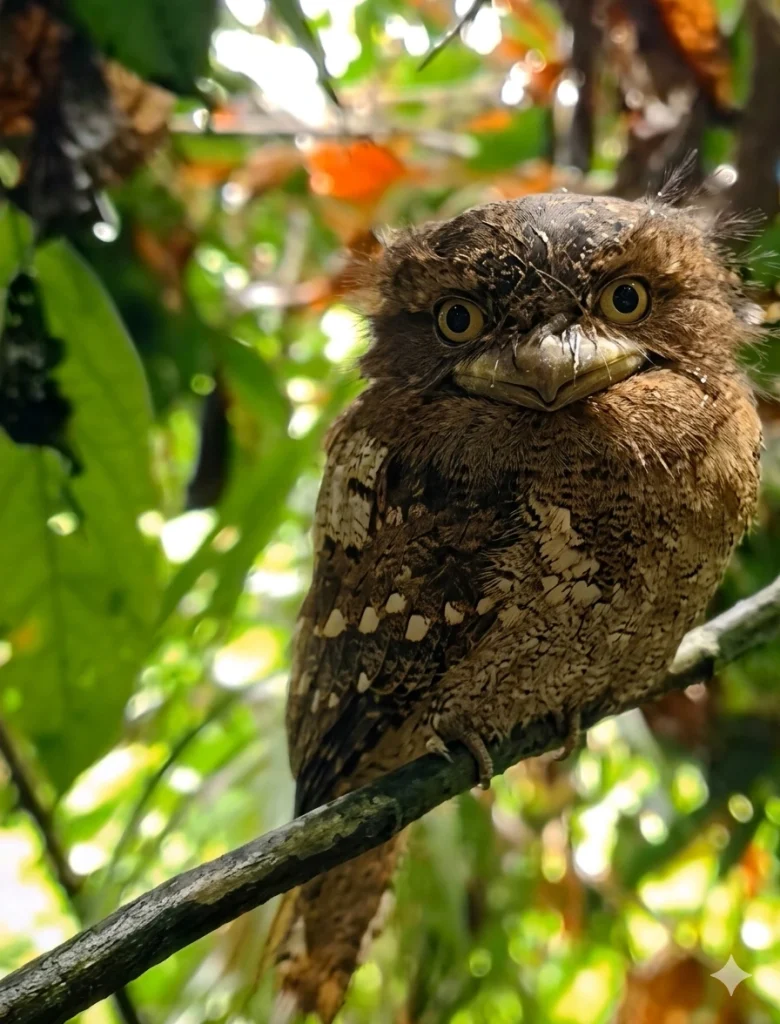
One of the most unique phenomena in Sinharaja is the mixed-species bird flocks, or “bird waves.” Unlike most forests where birds are solitary, here they move in giant, noisy groups of different species.
- The Strategy: The noisy Orange-billed Babblers lead the way, flushing out insects for the more cautious species like the Greater Racket-tailed Drongo. Seeing a bird wave is a highlight of any Sinharaja trip.
5. Survival Guide: The “Leech” Factor
Let’s be honest: Sinharaja is famous for its leeches. They are harmless but can be a deterrent for the unprepared.
- Leech Socks: These are essential. They are long, tightly woven fabric socks you wear over your trousers.
- Natural Repellents: Your guide will likely provide “leech oil” or a mixture of soap and tobacco water to rub on your shoes.
- Footwear: Wear sturdy, waterproof hiking boots. The trails are often muddy and slippery.
6. Best Time to Visit in 2026
Since it is a rainforest, it rains almost every day. However, for the best trekking conditions:
- Dry Season: January to March and August to September.
- Avoid: The peak monsoons in May–July and October–November, when the trails can become small rivers and the leeches are at their most active.
Where to Stay: Eco-Living
Sinharaja encourages “low-impact” tourism. You won’t find mega-resorts here.
- Rainforest Ecolodge (Deniyaya): Built using recycled shipping containers, this lodge offers stunning views over the canopy.
- The Rainforest Hideaway: An intimate, eco-friendly option that puts you right at the forest’s edge.
- Homestays: Staying with a local family in Kudawa or Deniyaya is the best way to enjoy authentic Sri Lankan village food.
Final Thoughts
Sinharaja isn’t a place you visit to check off a “Big Five” list. You visit to hear the forest breathe. It is about the scent of damp earth, the chorus of tree frogs at dusk, and the sight of a 40-meter-tall Nawada tree that has stood for centuries. It is an immersive, humbling experience that stays with you long after you leave the jungle.
Our other post clik here
map Click Here